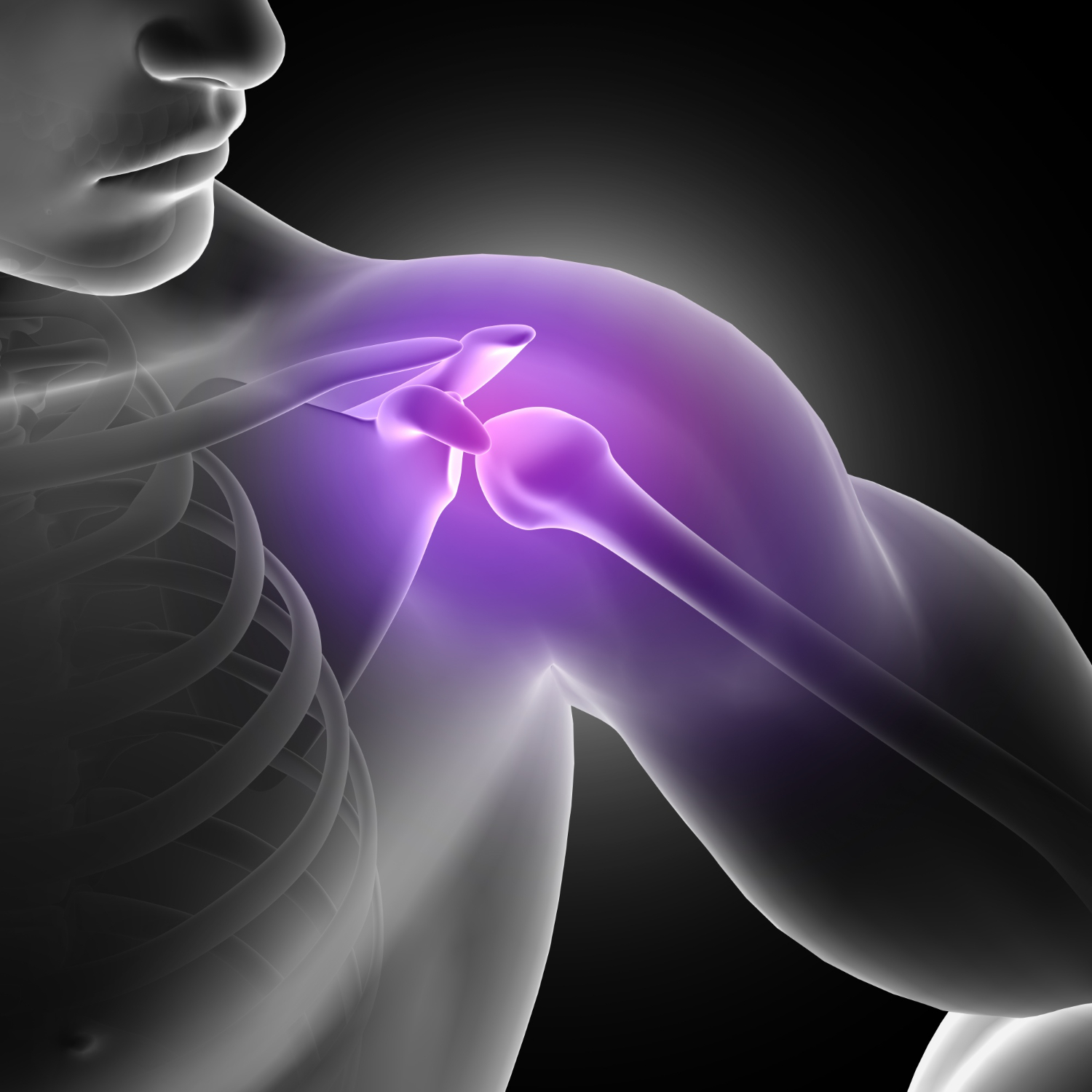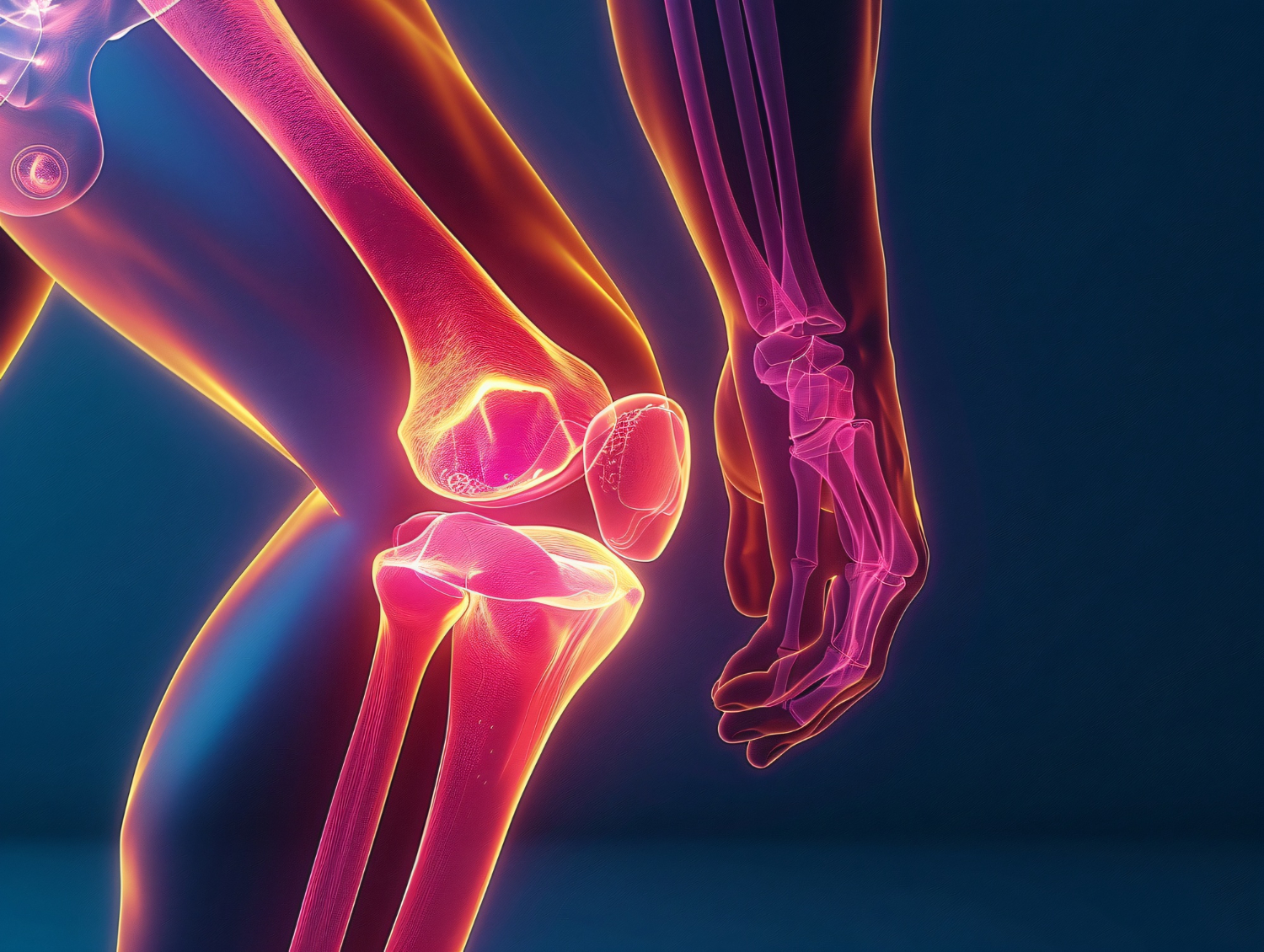
Joint pain can feel like an unrelenting battle. Whether it's in your knees, shoulders, or elbows, chronic joint pain doesn't just make physical tasks harder — it seeps into every aspect of life, impacting mental health, mobility, and overall well-being.
Joint pain can feel like an unrelenting battle. Whether it's in your knees, shoulders, or elbows, chronic joint pain doesn't just make physical tasks harder — it seeps into every aspect of life, impacting mental health, mobility, and overall well-being.
The exhausting reality of chronic joint pain
For many, joint pain starts small: occasional stiffness in the morning or discomfort after a long day. Over time, it often worsens, becoming a constant companion that affects daily routine. Activities once enjoyed — walking, playing sports, gardening — become challenging or impossible.
In addition to physical limitations, chronic joint pain carries a significant psychological burden. Depression and anxiety are common in those living with persistent pain. Sleep disruption compounds the problem, as pain prevents the restorative rest required for tissue healing.
What is MicroFat (MFAT) therapy?
MicroFat therapy, or Microfragmented Adipose Tissue (MFAT), is a minimally invasive regenerative treatment that uses the patient's own fat tissue to treat damaged joints. Unlike synthetic drugs or surgical procedures, MFAT uses the body's own biological resources — making it both natural and personalised.
How does MFAT work?
- Harvesting: A small amount of fat is collected from the patient's abdomen, thigh, or flank using a minimally invasive lipoaspiration technique under local anaesthetic.
- Processing: The collected fat is processed using a closed, sterile system that microfragments it while preserving the adipose tissue's structural integrity, including its regenerative stromal cells.
- Injection: The processed MicroFat is injected directly into the affected joint under ultrasound guidance, precisely targeting the area of damage.
Why MFAT works for chronic joint pain
Adipose tissue (fat) is rich in mesenchymal stem cells (MSCs), growth factors, and anti-inflammatory cytokines. When injected into a damaged joint, these components work synergistically to:
- Reduce inflammation in the joint
- Promote cartilage regeneration
- Improve lubrication and reduce friction
- Stimulate tissue repair and regrowth
"MFAT therapy represents a paradigm shift in orthopaedic care — from masking pain to addressing its biological root." — Longevity World Group
Clinical evidence
Clinical studies have demonstrated significant improvements in pain, function, and quality of life following MFAT treatment for knee osteoarthritis. Patients typically report improvements within 6–8 weeks, with benefits that continue to develop over 6–12 months as the regenerative process proceeds.
MFAT vs. conventional treatments
Unlike corticosteroid injections — which provide temporary pain relief but may accelerate cartilage degradation with repeated use — MFAT addresses the underlying biology of joint degeneration. Unlike surgery, it requires no general anaesthetic, involves minimal downtime, and carries significantly lower risk.
Patients typically return to normal activity within 24–48 hours, with gradual return to sport and more strenuous activity within 4–6 weeks.
Who is suitable for MFAT?
MFAT therapy is most effective for patients with mild to moderate osteoarthritis, ligament or cartilage damage, or persistent joint inflammation who have not responded adequately to physiotherapy or conventional pain management. Your specialist will conduct a thorough assessment including imaging to determine suitability.