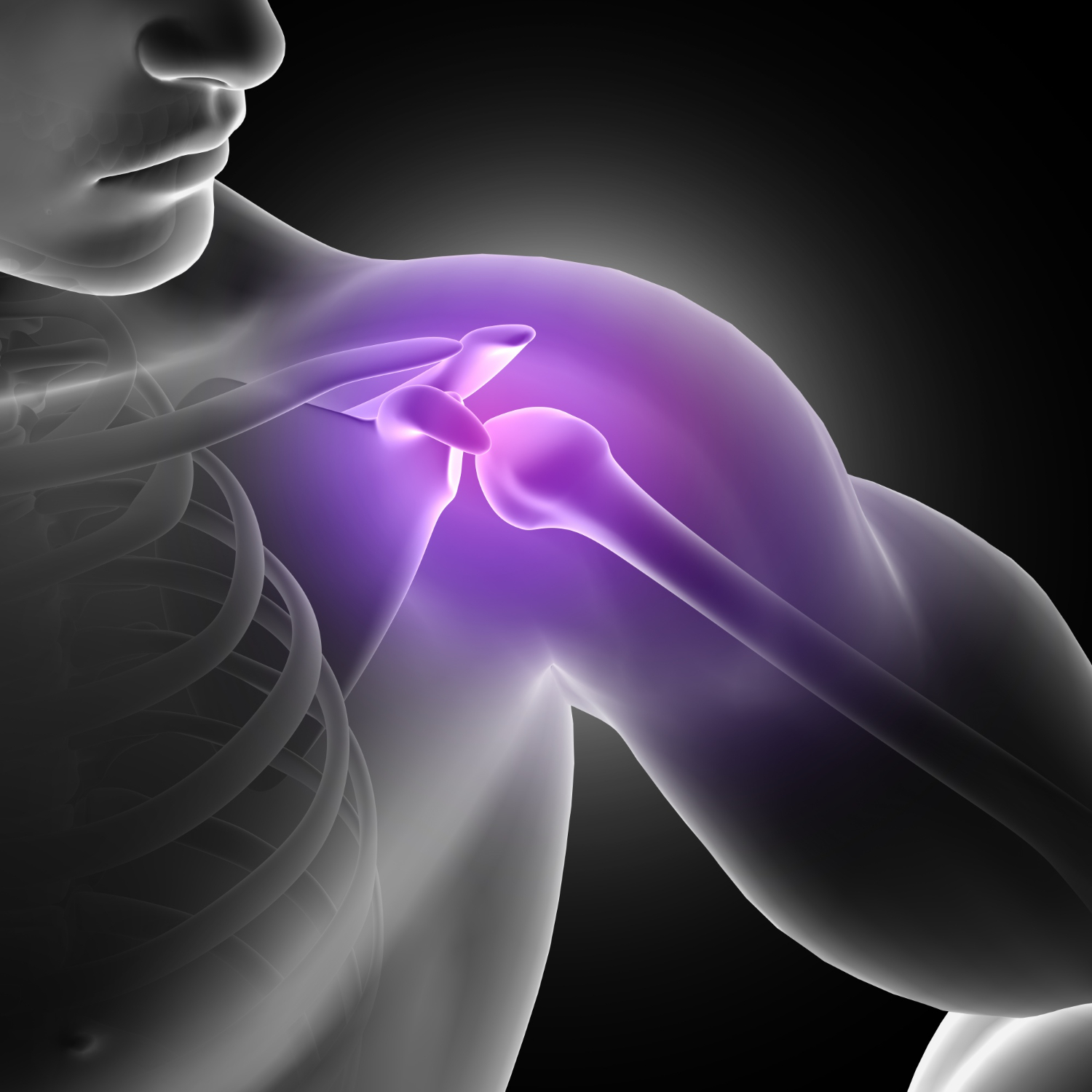
Shoulder injuries, particularly to the rotator cuff, can be incredibly frustrating and often debilitating. From the inability to lift everyday objects to experiencing discomfort while sleeping, shoulder pain can impact every part of your life.
Shoulder injuries, particularly to the rotator cuff, can be incredibly frustrating and often debilitating. From the inability to lift everyday objects to experiencing discomfort while sleeping, shoulder pain can impact every part of your life.
The physical and emotional toll of rotator cuff injuries
Rotator cuff injuries are among the most common shoulder problems, particularly among athletes and individuals over 40. A torn or inflamed rotator cuff can severely limit daily life — simple tasks like lifting groceries, getting dressed, or brushing your hair become painful or impossible.
The pain often lingers at night, preventing restorative sleep and further affecting overall well-being. Constant discomfort leads to frustration, anxiety, and — in many cases — depression. Many patients feel trapped in a cycle of pain management without genuine recovery.
Traditional treatments and their limitations
Conventional treatments include steroid injections and surgery. Steroid injections can provide temporary relief but carry risks including tendon weakening with repeated use. Surgical repair involves significant recovery periods of three to six months or longer, with outcomes that are not always predictable.
Physiotherapy is essential in any shoulder rehabilitation programme, but for more severe injuries, exercise alone may be insufficient to promote the tissue healing required for full recovery.
How MFAT heals the rotator cuff
MicroFat (Microfragmented Adipose Tissue) therapy uses the patient's own fat tissue to deliver a concentrated dose of regenerative cells and growth factors directly to the damaged rotator cuff.
The procedure involves three key steps:
- Fat harvesting: A small amount of adipose tissue is collected from the patient's abdomen or thigh under local anaesthetic — typically around 60–120ml.
- Microfragmentation: The fat is processed in a closed, sterile system that breaks it into microparticles without centrifugation, preserving the integrity of the stromal vascular fraction containing regenerative cells.
- Precise injection: Under ultrasound guidance, the processed MicroFat is injected into the damaged tendon and surrounding tissue, ensuring targeted delivery.
The science of fat-based healing
Adipose tissue is remarkably rich in mesenchymal stem cells (MSCs), which have demonstrated the ability to differentiate into tendon, cartilage, and muscle tissue. These cells, combined with the growth factors and anti-inflammatory mediators found naturally in fat tissue, create an environment conducive to genuine tissue repair rather than scar tissue formation.
"The body's own fat contains a pharmacy of regenerative molecules. MFAT therapy makes these accessible to the joint without the risks of surgery." — Longevity World Group
What to expect: recovery and results
Most patients experience a mild inflammatory response in the first 24–72 hours as the regenerative process begins. Significant improvement in pain and function is typically observed within 6–12 weeks, with continued improvement over 6 months.
Patients are generally able to return to light daily activities within 48 hours, resume physiotherapy within two weeks, and return to sport or strenuous activity within six to eight weeks.
Is MFAT right for your shoulder?
MFAT therapy is particularly suited to patients with partial-thickness rotator cuff tears, chronic tendinopathy, or persistent shoulder pain who have not responded to conservative treatment. A specialist assessment, including MRI imaging, is required to determine suitability and guide treatment planning.